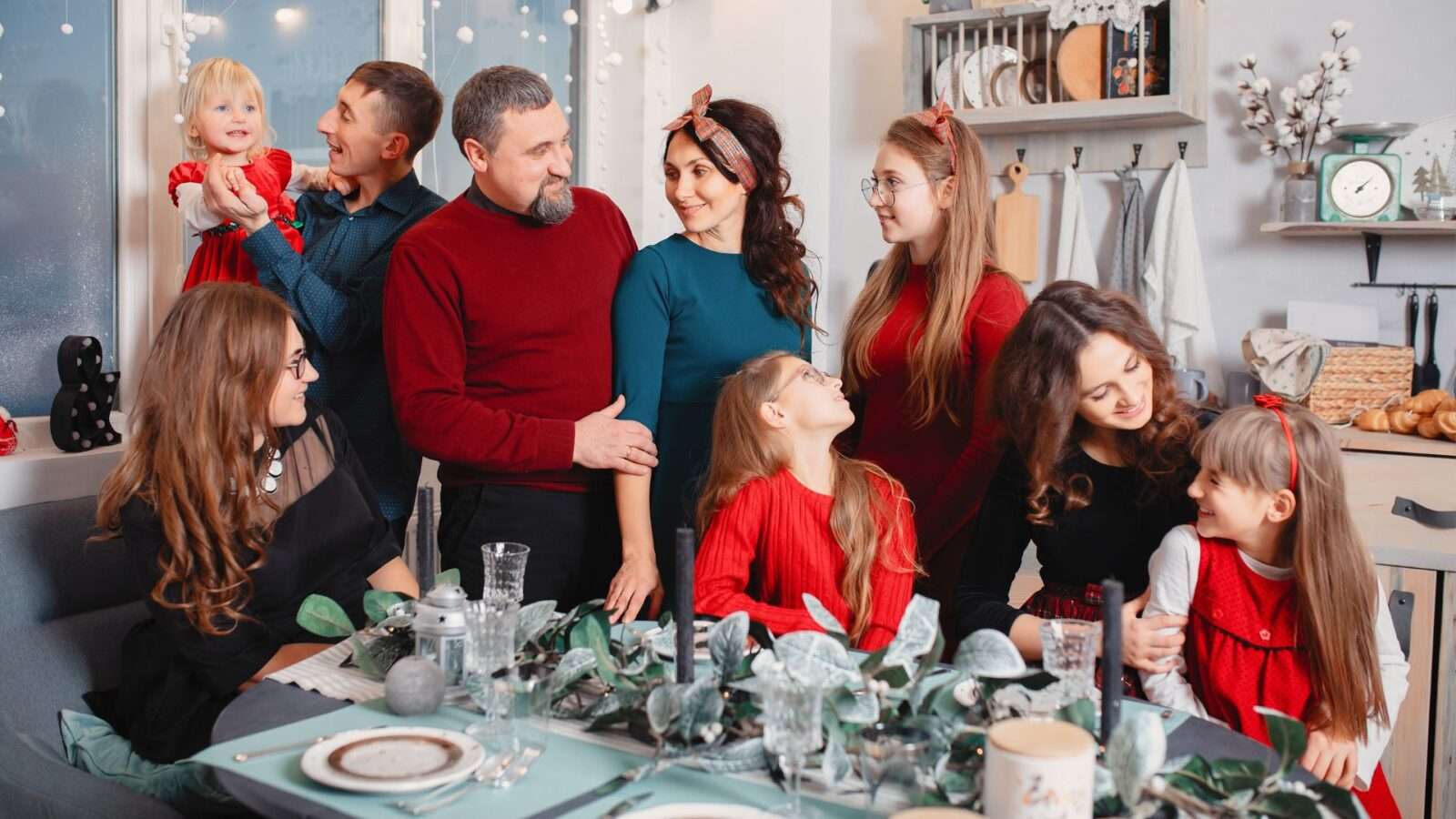
The holidays bring a mix of emotions – joy, excitement, nostalgia – and often, stress. For blended families, especially, the season can present its own unique challenges. Conflicting traditions, new family dynamics, scheduling conflicts, and gift-giving pressures can leave parents overwhelmed while trying to keep a sense of peace and celebration for their children.
While these challenges are real, they don’t have to overshadow the festivities. It’s not always easy, but it’s possible to create an inclusive and celebratory holiday season with some intention, communication, and compassion.
1. Stay Flexible
One of the most essential ingredients for creating smoother holidays in blended families is letting go of rigid expectations for the perfect holiday based on the past. Adding new family dynamics means that the “perfect holiday” will look different from what it did before. Schedules may not align, and celebrations may not happen on the official holiday. Traditions. Travel. Gift exchanges. These will require that the holidays take on a new shape – and a different meaning – than they did before.
Being flexible means adjusting and being open to new traditions, more flexible timelines, travel accommodations, and gift exchanges spread over multiple days. When the adults in the room model flexibility and understanding, the children learn that the meaning behind the season isn’t attached to a date on the calendar but to being together, however that may look.
Schedule your free meeting with our team today to see if our Lawyers can help you.
2. Honor the Old Traditions While Creating New Ones
Traditions help people – especially children – feel grounded, especially when there is a lot of change going on. Keeping familiar rituals during the holidays will help kids feel secure and loved, and maintaining long-held traditions lets them know that the past still matters.
That being said, blended families offer the opportunity to build something together and create new traditions that give everyone a sense of belonging at a time when so many changes have taken place. These new rituals don’t have to replace the old ones, but they can help weave everyone’s past and stories together to create something unique that everyone can share.
3. Communicate Early
Holiday stress often arises from last-minute surprises. That is why early and transparent communication is essential in blended families.
Co-parents, stepparents, and extended family members, both new and old, should be understanding of these new challenges and discuss plans well in advance. These plans should include discussions about what activities will take place, who will be attending, when celebrations will occur, how the children will integrate into these plans, and how the kids will transition between homes and family celebrations.
Honest communication prevents misunderstandings and circumvents tensions before they start. When children see adults working together and focusing on their enjoyment, it reassures them that they can still have fun without having to choose sides.
Click to contact our family lawyers today
4. Navigate Gift-Giving Thoughtfully
Gifts at the holidays can be exciting but also stressful when new family dynamics come into play. For blended families, setting expectations early can be critical. Parents and stepparents can agree on spending limits and other parameters to maintain fairness, especially when children are moving between households.
When it comes to gifts for new family members, small gestures often mean the most. Handmade or thoughtfully chosen small gifts, selected by the children for their stepparents or step-siblings, keep things heartfelt while building bonds. Adults may also agree to family gifts such as a game or activity that everyone can enjoy together, reinforcing togetherness rather than gift competition.
Schedule a call with one of our client services coordinators today
5. Shared Experiences, Not Just Shared Spaces
Often, the best memories aren’t about what’s under the tree but what you do together. Planning experiences that everyone can enjoy can be much more meaningful than any wrapped gifts and holiday dinners.
Driving around to see the holiday lights, ice skating, picking out the tree together, or volunteering as a family – these shared activities create new traditions in a low-pressure way and help build new memories that everyone can cherish.
6. Be Mindful of Alone Time
While togetherness is important for creating family cohesiveness, so is personal space – especially for kids who may feel overwhelmed by all the new stimuli.
Giving children space and quiet time allows them to process the experience, provides time for them to recharge, and also offers an opportunity for one-on-one connection with their parent, who may be equally overwhelmed with all their holiday duties. Respecting individual needs goes a long way to making the holidays feel safe and supportive for children, especially if they are struggling with the new dynamics.
7. Put the Kids First
Holidays shouldn’t be stressful for your children. There have already been numerous changes in their family, and the holidays should be about fun.
Too often, children in blended families feel caught in the middle of the adult dynamics. Parents need to keep children’s needs at the center of holiday decisions and encourage them to enjoy time with both sides of the family. This also means avoiding talk about the other household within earshot. When children feel they have permission to enjoy the holidays at both homes, they can do this freely without guilt. And when adults put their children’s needs first, it sets a tone of cooperation and respect that can strengthen the whole blended family dynamic.
8. What Happens When Kids Struggle with New Family Members?
Not every holiday will be a picture-perfect, harmonious blend of families. This is especially true if children are still adjusting – or don’t like – a new stepparent or step-siblings. It’s completely normal for kids to feel unsure or even openly resistant to changes in their family structure, especially when holiday traditions aren’t what they “used to be.”
In these cases, the best approach is often just patience and empathy. Relationships can’t be forged (or forced) overnight. It helps to respect children’s feelings and allow them to express them privately. This should be done one-on-one with that parent before the hustle and shuffle of the holiday activities.
Above all, parents shouldn’t compare children’s reactions or push them to “just get along.” Relationships take time, and what feels rocky now can grow into something more substantial down the road if everyone is given space and patience to let these things grow organically.
Finding Support for Your Family
Blending families during the holidays isn’t always easy, but you don’t have to face it alone. At Melone Hatley, P.C., our family law team understands the unique challenges that come with co-parenting, stepparenting, and creating traditions that endure. Whether you are working through custody arrangements, parenting schedules, disputes, or other family transitions, we are here to provide guidance and compassionate support. Call us at 800-479-8124 or contact us online to schedule a free consultation with a Client Services Coordinator.

Schedule a call with one of our client services coordinators today.